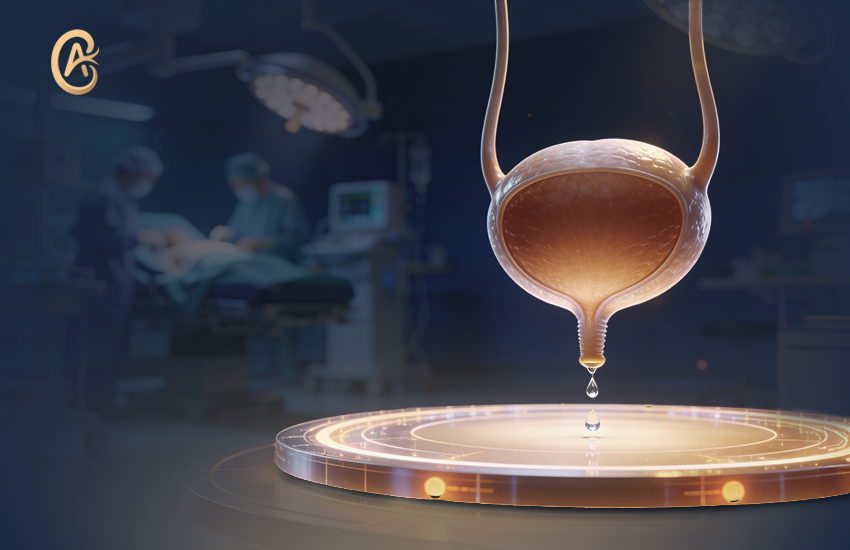
What Is Urinary Incontinence?
Urinary incontinence is the involuntary loss of urine. It may range from mild leakage to complete loss of bladder control and can significantly affect a patient’s quality of life and daily activities.
Types of Urinary Incontinence
- Stress incontinence: Occurs with coughing, sneezing, or physical exertion
- Urge incontinence: Sudden, strong urge to urinate
- Mixed incontinence: Combination of stress and urge types
- Overflow incontinence: Due to poor bladder emptying
- Neurogenic incontinence: Caused by neurological disorders
What Are Voiding Disorders?
Voiding disorders may include:
- Difficulty initiating urination
- Weak or intermittent urinary stream
- Increased urinary frequency during the day or night
- Sensation of incomplete bladder emptying
- Pain or burning during urination
Causes of Urinary Incontinence and Voiding Disorders
- Benign prostatic hyperplasia (BPH)
- Pelvic floor muscle weakness
- Neurological diseases
- Pelvic or prostate surgery
- Urinary tract infections
- Aging
Diagnostic Evaluation
- Medical history and clinical examination
- Urinalysis and laboratory tests
- Ultrasound imaging
- Urodynamic studies
- Cystoscopy in selected cases
Treatment of Urinary Incontinence and Voiding Disorders
Treatment depends on the underlying cause and the type of incontinence and may include:
Conservative Treatment
- Lifestyle modifications
- Reducing stimulants and nighttime fluid intake
- Pelvic floor muscle exercises
- Bladder training
Medical Treatment
- Medications to improve bladder control
- Drugs that reduce overactive bladder activity
- Medications to improve urine flow in cases of obstruction
Endoscopic and Minimally Invasive Treatments
- Injection of bulking agents around the urethra
- Intravesical botulinum toxin (Botox) injections
- Dilation or incision of urinary tract obstructions
Surgical Treatment
Used in advanced cases or when conservative treatment fails, and may include:
- Urethral sling procedures
- Surgical repair of pelvic floor muscles
- Implantation of urinary control devices in selected cases
What to Expect After Treatment
- Significant improvement in urinary control
- Regular follow-up to assess response
- Adjustment of the treatment plan according to disease progression
Why Choose Our Care?
- Comprehensive and accurate evaluation of each case
- Extensive experience in treating incontinence and voiding disorders
- Use of the latest diagnostic and therapeutic technologies
- Individualized treatment plans tailored to each patient
- Continuous care before and after treatment
Frequently Asked Questions (FAQ)
Can urinary incontinence be permanently cured?
Yes, in many cases it can be controlled or completely treated depending on the cause.
Does urinary incontinence affect only men?
No, it affects both men and women at different rates.
Is surgery always necessary?
No, many cases improve with conservative or medical treatment.
Is treatment safe for elderly patients?
Yes, the most appropriate treatment is selected based on the patient’s overall health status.