
What Are Urinary Tract Tumors?
Urinary tract tumors include tumors of the:
- Bladder
- Ureter
- Renal pelvis
- Urethra
These tumors may be benign or malignant and often present with symptoms such as:
- Blood in the urine
- Burning or difficulty during urination
- Increased urinary frequency
- Lower abdominal or flank pain
When Is Endoscopic Resection Indicated?
Endoscopic treatment is used in the following situations:
- Superficial or intermediate bladder tumors
- Selected cases of ureteral or renal pelvic tumors
- Diagnosis and accurate biopsy of the tumor
- Treatment of tumors while preserving organs as much as possible
What Is Endoscopic Resection of Urinary Tract Tumors?
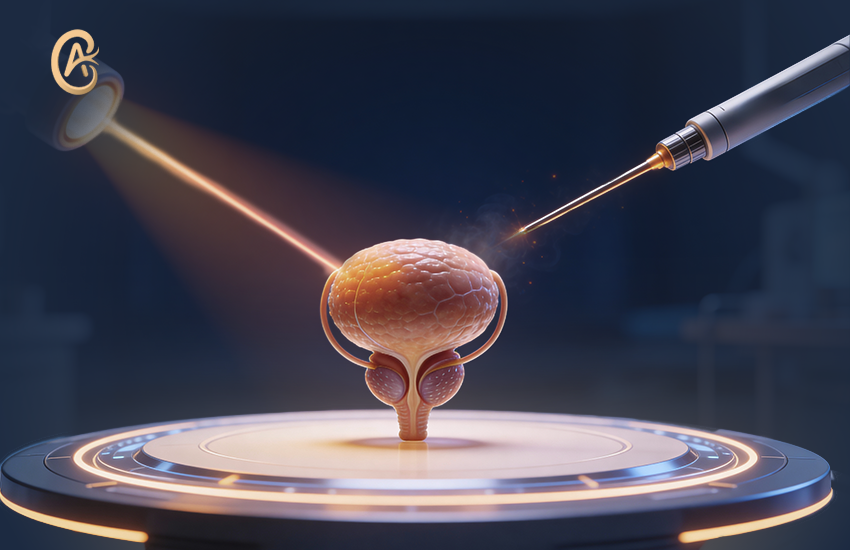
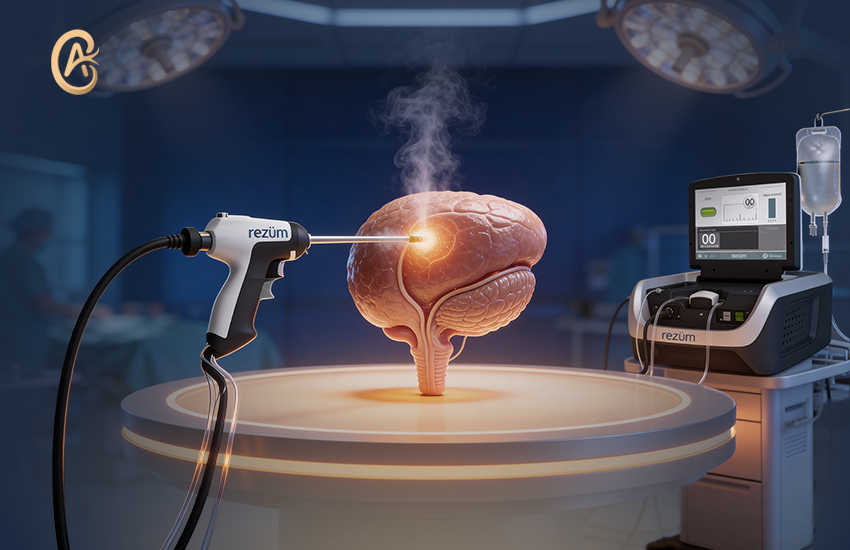
It is a precise surgical procedure performed using advanced endoscopic instruments introduced through the urethra or natural body openings, without external incisions. During the procedure:
- The tumor is completely or partially removed
- The base of the tumor is cauterized to control bleeding and reduce recurrence
- Surrounding healthy tissues are preserved
Endoscopy is considered one of the most important and accurate modern techniques for diagnosing and treating urinary tract tumors.
Advantages of Endoscopic Tumor Resection
✔ No open surgery or external incisions
✔ Less pain and shorter recovery time
✔ Less bleeding compared to conventional surgery
✔ High precision in tumor removal
✔ Preservation of urinary tract function
✔ Short hospital stay
What to Expect After the Procedure
- A urinary catheter may be needed for a short period
- Regular follow-up with endoscopy or imaging depending on tumor type
- In some cases, additional intravesical therapy sessions may be required
- Adherence to follow-up is essential for early detection of recurrence
Can Endoscopy Replace Open Surgery?
In many cases, yes.
However, the choice of endoscopic treatment depends on:
- Tumor type and grade
- Tumor size and location
- Extent of tumor spread
- The patient’s overall health condition
The final decision is made after careful evaluation of each case
Why Choose Endoscopic Resection With Us?
- Extensive experience in endoscopic management of urinary tract tumors
- Use of the latest surgical endoscopic equipment
- Accurate diagnosis and individualized treatment plans
- Comprehensive care before and after the procedure
- Commitment to long-term follow-up to ensure optimal outcomes
Frequently Asked Questions (FAQ)
Is the procedure painful?
No, it is performed under appropriate anesthesia, and postoperative pain is usually mild.
How long is the hospital stay?
Typically one to two days, depending on the type of procedure.
Can the tumor recur after resection?
Yes, some tumors may recur, which is why regular endoscopic follow-up is very important.
Does endoscopic resection affect urination?
In most cases, no. In fact, urinary symptoms often improve after tumor removal.