What Is Benign Prostatic Hyperplasia?
Benign prostatic hyperplasia (BPH) is a non-cancerous enlargement of the prostate gland that commonly occurs with aging. The enlarged prostate compresses the urethra, leading to symptoms such as:
- Weak urinary stream
- Difficulty or intermittency during urination
- Frequent urination, especially at night
- Sensation of incomplete bladder emptying
- Urinary retention in advanced cases
When Is Surgical Intervention Needed?
Surgical treatment is considered in the following situations:
- Failure of medical therapy to relieve symptoms
- Recurrent urinary retention
- Recurrent urinary tract infections or bleeding
- Impairment of bladder or kidney function
- Significant impact of symptoms on daily quality of life
Endoscopic Treatment of Prostate Enlargement
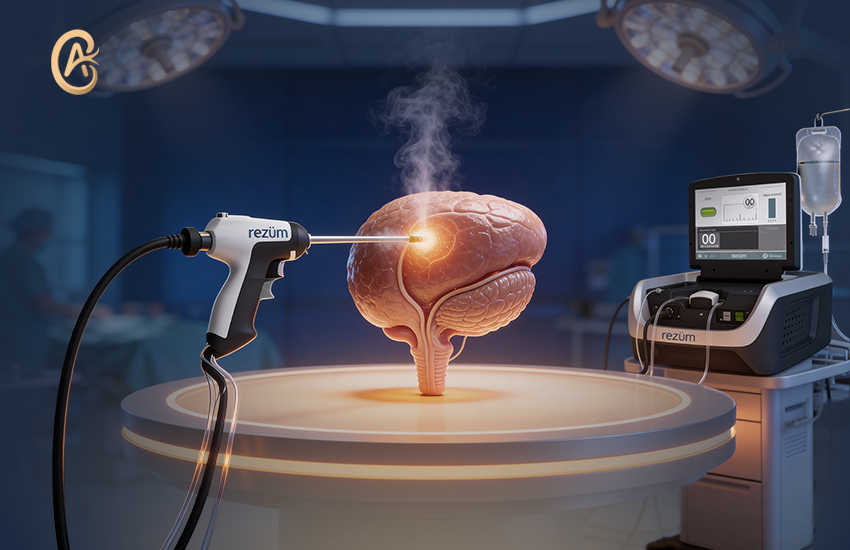
BPH can be treated endoscopically using a precise scope inserted through the urethra without any external incisions. During the procedure, the enlarged prostate tissue is removed or vaporized, resulting in a widened urethral channel and marked improvement in urination.
Among the most advanced and commonly used techniques are:
First: TURis Vaporization (Bipolar TURP)
The TURis technique uses bipolar energy with normal saline to safely and precisely remove or vaporize enlarged prostate tissue.
Advantages of TURis
✔ Less bleeding compared with conventional surgery
✔ Higher safety profile, especially in elderly patients
✔ Rapid improvement of urinary symptoms
✔ Short hospital stay (usually one day)
✔ Globally approved and effective technique
✔ Suitable for moderate-sized prostates
Second: HoLEP (Holmium Laser Enucleation of the Prostate)
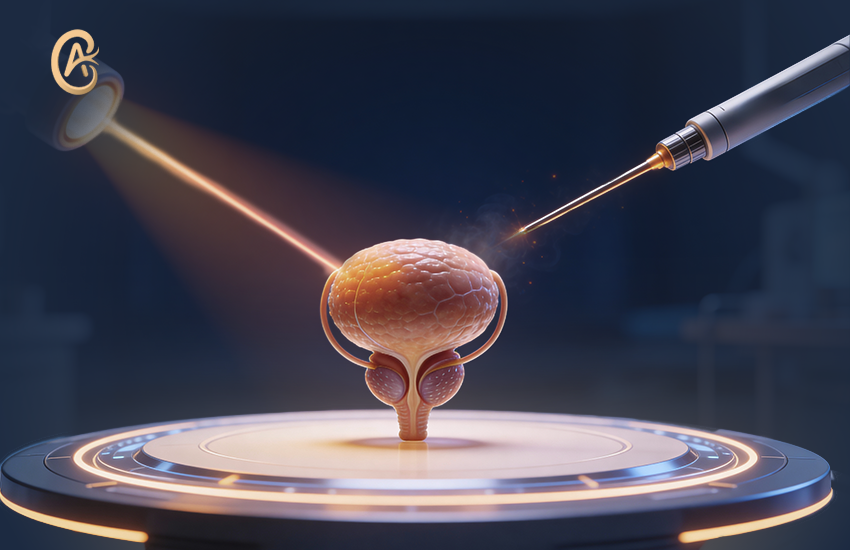
HoLEP laser is one of the most advanced and powerful techniques for treating BPH. It allows near-complete removal of enlarged prostate tissue, even in very large prostates.
Advantages of HoLEP
✔ Ideal for large prostate volumes
✔ Very minimal bleeding
✔ Long-term results with a low recurrence rate
✔ Suitable for patients taking blood-thinning medications
✔ Reduces the need for future re-intervention
⸻
Which Is Better: TURis or HoLEP?
The choice of the most appropriate technique depends on:
- Prostate size
- Severity of symptoms
- Patient’s age and overall health
- Presence of chronic diseases or use of anticoagulant medications
- Patient expectations after full explanation
🔹 The physician determines the best option to achieve optimal and safe results.
What to Expect After the Procedure
- A urinary catheter is placed for a short period
- Noticeable improvement in urination within days
- Return to normal daily activities in a short time
- Regular medical follow-up to ensure stable, long-term results
Do These Procedures Affect Sexual Function?
- These procedures do not affect erectile function
- Retrograde ejaculation may occur in some patients; it is medically harmless and is explained before surgery
Why Choose to Have the Procedure With Us?
- Extensive experience in endoscopic and laser prostate surgery
- Use of the latest TURis and HoLEP technologies
- Careful selection of the most suitable technique for each patient
- Comprehensive care before and after the procedure
- Excellent results without the need to travel abroad
Frequently Asked Questions (FAQ)
Is the procedure painful?
No. It is performed under spinal or general anesthesia, and postoperative pain is usually mild and controllable.
When will I notice improvement in urination?
Usually within a few days, with continuous gradual improvement.
Can I stop prostate medications after surgery?
In most cases, yes—after proper follow-up with your doctor.
Can prostate enlargement recur?
Recurrence is rare, as endoscopic techniques provide long-term durable results.