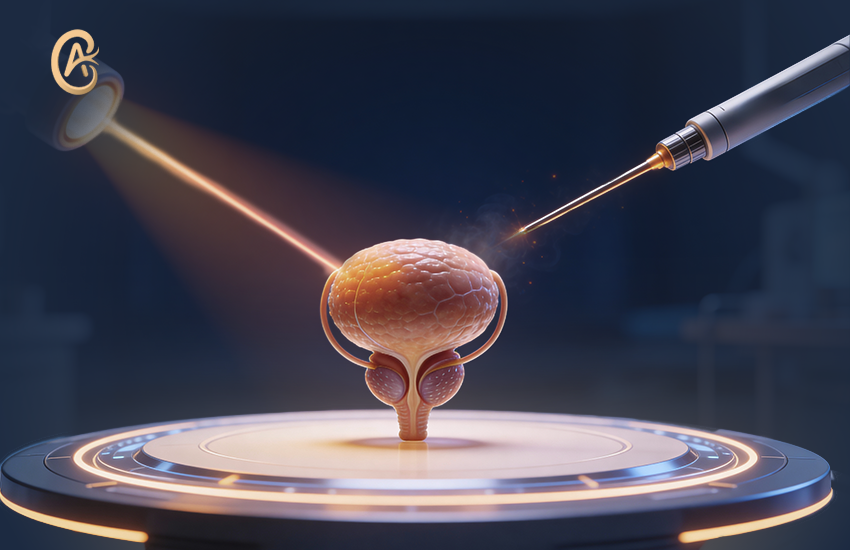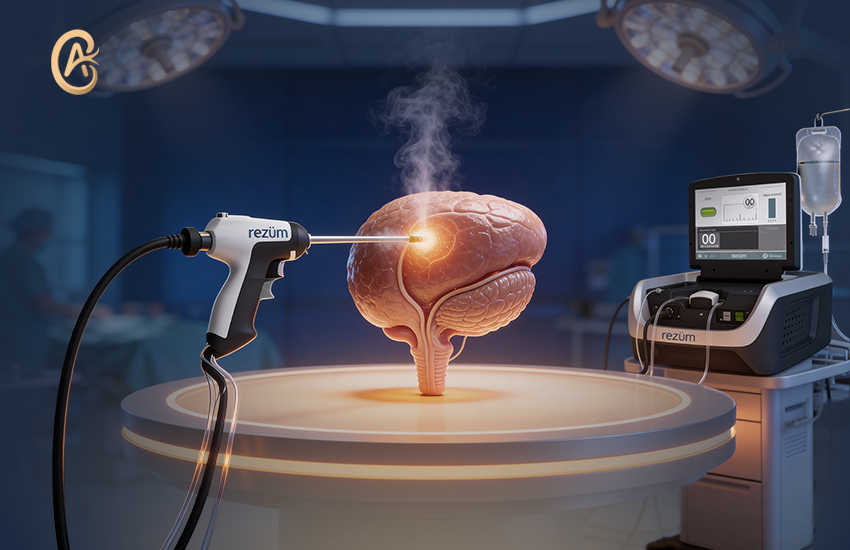

What is Prostate Cancer?
Prostate cancer is an abnormal growth in the prostate gland. Early detection is often through PSA blood tests or clinical examination.
Early stages usually show no symptoms, but later signs may include:
- Difficulty urinating
- Frequent urination, especially at night
- Weak urine flow
- Blood in urine or semen
When is Radical Prostatectomy Needed?
Recommended in cases of:
- Localized prostate cancer confined to the gland
- Patients in good general health suitable for surgery
- Desire to remove cancer completely while preserving as much function as possible
What is Robotic Radical Prostatectomy?
A highly precise surgical procedure using a robotic system. The surgeon controls robotic arms through very small incisions, offering:
- High accuracy in tumor removal
- Preservation of nerves responsible for erections and urinary control
- Less blood loss and shorter hospital stay compared to traditional surgery
Advantages of Robotic Radical Prostatectomy
✔ Very small incisions → less pain and scarring
✔ High precision in tumor removal
✔ Reduced blood loss
✔ Preservation of erectile and urinary functions whenever possible
✔ Shorter recovery → faster return to normal life
After the Procedure
- Temporary urinary catheter is usually placed for a few days
- Follow-up includes PSA testing to monitor for cancer recurrence
- Simple rehabilitation program helps restore urinary and sexual function
Why Choose Robotic Surgery With Us?
- Extensive experience in robotic prostate surgeries
- Use of the latest advanced robotic surgical systems
- Focus on precision and preservation of vital functions
- Comprehensive pre- and postoperative care for optimal results
FAQ (Frequently Asked Questions)
Is the surgery painful?
With anesthesia and proper postoperative care, pain is usually mild and manageable with medication.
When can I return to normal life?
Typically within 2–4 weeks, depending on individual recovery.
Does the surgery preserve erectile function?
We aim to preserve nerves responsible for erections, but outcomes depend on tumor size and individual factors.
How long is the hospital stay?
Usually 2–3 days, varying based on the patient’s condition.